
7.9K
Downloads
187
Episodes
Native Americans share ancestral stories, history, & culture. www.nativechoctalk.com
Episodes
Mar 30, 2025
Mar 30, 2025
31 min
PART 3
They were the Comanche, or Numunuh—meaning "The People"— and they were the undisputed "Lords of the Plains," fiercely guarding their vast homeland across Texas, Oklahoma, Kansas, Colorado, and New Mexico. Masters of horseback warfare, they resisted westward expansion as the U.S. government pushed settlers into their territory.
In an 1836 raid on Fort Parker, nine-year-old Cynthia Ann Parker was taken captive. She embraced Comanche life, later marrying Chief Peta Nocona. And their son, Quanah Parker, became a legendary leader. As the U.S. broke the Treaty of Medicine Lodge, Quanah led his people in the Red River War, the last major conflict between the southern Plains tribes and the U.S. military. Realizing continued resistance meant destruction, he surrendered at Fort Sill in 1875 to secure his people's survival.
Straddling two worlds, Quanah worked to bridge the divide between Native and white societies. Though never elected chief, he was appointed the Comanche Nation’s Principal Chief.
To his family, he was a beloved grandfather who championed education and Comanche traditions. To history, he remains the "Last Chief of the Comanche."
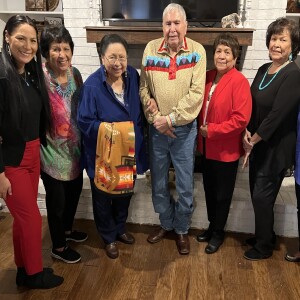
In parts 1 and 2 of this series, I spoke with one of Quanah Parker's descendants, Jody Parker. Now in part 3, you'll hear directly from Quanah’s great grandchildren:
- Jacquetta Parker
- Ardith Parker-Leming
- LaNora Parker
- Sandra Chesnut
- Don Allen Parker
- Jody Colbert
The family shares insights on:
- Quanah's influence on the importance of education and always showing up dressed to impress
- His vision for a school and church for his people
- What Quanah was like as a master horseman and a great warrior
- The significance of Comanche oral history and that much of their knowledge came from both their elders and the Mennonite missionaries Quanah worked with
- Did Quanah really tell a missionary she was "ugly"? You might be surprised by the answer!
Finally, the elders share a heartfelt reflection on how Quanah bridged two worlds—the world of his people and of those who had taken over.
Unfortunately, when I recorded this 2 years ago, my sound and video were messed up. So thank you for your patience, as it has been cleaned up as best as possible.
Native ChocTalk Facebook page: https://www.facebook.com/nativechoctalkpodcast
All Podcast Episodes: https://nativechoctalk.com/podcasts/
Mar 25, 2025
Mar 25, 2025
23 min
According to the American Addiction Centers:
"The rate of alcohol use among Native Americans is significantly higher than in other ethnic groups. The rate of Native Americans with an alcohol use disorder is higher than that of the total population. And one in ten young Native Americans (ages 18–25) has an alcohol use disorder.”
What if there were a Native-owned, alcohol-free alternative that not only tasted amazing but was actually good for you?
Could this help our Native communities — and others — who are struggling with substance abuse? And what about those who simply enjoy the taste of wine or beer, but are looking to make a healthier lifestyle change?
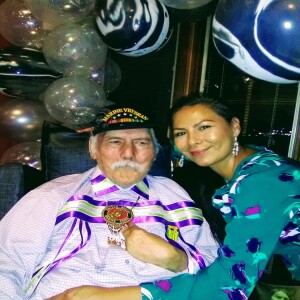
Enter Jody Colbert — entrepreneur, founder and president of War Chief Collection, and proud descendant of the great Comanche warrior Quanah Parker.
In this episode, you’ll learn about Jody’s line of non-alcoholic beverages, her personal journey to sobriety, and her deep connection to Quanah Parker. In future episodes, you’ll meet her aunties and uncle and hear even more stories about this iconic figure in Native history.
A couple of important notes:
- Since this episode was recorded two years ago, some exciting things are on the horizon: Jody will be relaunching War Chief Collection with new products in Summer 2025.
- In this episode, Jody speaks of her greatest hero: her father, Sgt. Robert Colbert (Chickasaw, Choctaw, and Creek), a Purple Heart recipient and Marine veteran of the Vietnam War, and a proud member of the Chickasaw Warrior Society. Sgt. Colbert sadly passed in July 2024, and this episode is dedicated in his honor. Yakoke for your service, Sgt. Colbert.
Please keep an eye out for War Chief Collection’s relaunch in Summer 2025: War Chief Collection
Native ChocTalk Facebook page: https://www.facebook.com/nativechoctalkpodcast
All Podcast Episodes: https://nativechoctalk.com/podcasts/
Mar 25, 2025
Mar 25, 2025
20 min
According to the American Addiction Centers:
"The rate of alcohol use among Native Americans is significantly higher than in other ethnic groups. The rate of Native Americans with an alcohol use disorder is higher than that of the total population. And one in ten young Native Americans (ages 18–25) has an alcohol use disorder.”
What if there were a Native-owned, alcohol-free alternative that not only tasted amazing but was actually good for you?
Could this help our Native communities — and others — who are struggling with substance abuse? And what about those who simply enjoy the taste of wine or beer, but are looking to make a healthier lifestyle change?
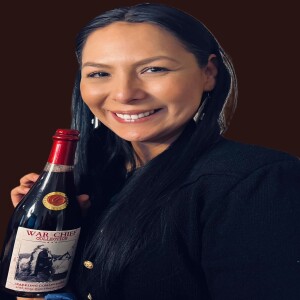
Enter Jody Colbert — entrepreneur, founder and president of War Chief Collection, and proud descendant of the great Comanche warrior Quanah Parker.
In this episode, you’ll learn about Jody’s line of non-alcoholic beverages, her personal journey to sobriety, and her deep connection to Quanah Parker. In future episodes, you’ll meet her aunties and uncle and hear even more stories about this iconic figure in Native history.
A couple of important notes:
- Since this episode was recorded two years ago, some exciting things are on the horizon: Jody will be relaunching War Chief Collection with new products in Summer 2025.
- In this episode, Jody speaks of her greatest hero: her father, Sgt. Robert Colbert (Chickasaw, Choctaw, and Creek), a Purple Heart recipient and Marine veteran of the Vietnam War, and a proud member of the Chickasaw Warrior Society. Sgt. Colbert sadly passed in July 2024, and this episode is dedicated in his honor. Yakoke for your service, Sgt. Colbert.
Please keep an eye out for War Chief Collection’s relaunch in Summer 2025: War Chief Collection
Native ChocTalk Facebook page: https://www.facebook.com/nativechoctalkpodcast
All Podcast Episodes: https://nativechoctalk.com/podcasts/
#jodycolbert #sgtcolbert #WarChiefCollection #choctawnationofoklahoma
#nativechoctalkpodcast #nativechoctalk #rachaelellenyoungman #rachaelyoungman #Choctaw #chahta #nativeamerican #AmericanIndian #nativepodcast
Mar 23, 2025
Mar 23, 2025
20 min
PART 3
"Don’t forget what was sacrificed. And keep fighting in the ways you can. You are still occupied. You are still here. You are born of real survivors. So go live.”
These are the powerful words from my guest, comic book artist Jim Terry (Ho-Chunk), in his book “Paper Cut”.
I really enjoyed this casual conversation with Jim, who lives not far from me in Chicago. He opened my eyes to the history and presence of the Ho-Chunk people — “people of the big voice.” You might also know them by the name once given to them: Winnebago.
And by the way — did you know “Chicago” (or chicagoua) most likely comes from the Algonquin word for onions… or maybe even garlic?
Jim and I also talked about his life as a freelance artist, the funny (and sometimes awkward) conversations between Native and non-Native people, and the deeper, more personal themes behind his book “Come Home, Indio”. In it, he opens up about feelings of not belonging and a lifelong journey toward making peace (or something like it) with the treatment of our Native American ancestors.
We also touched on the story of Edward E. Ayer — a lumber baron who, in 1911, donated 17,000 Native American manuscripts, photos, and artifacts to the Newberry Library. Today, that collection has grown to over 130,000 volumes. (Some of those items also found a home at Chicago’s Field Museum.)
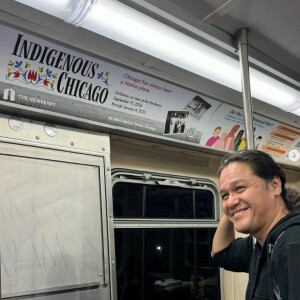
Jim was honored to be commissioned by the Newberry Library for their Indigenous Chicago program, creating artwork inspired by those thousands of historical documents.
P.S. Jim — it was also a treat meeting your surprise guest (your cat)! He did like a mountain lion, enit, my friend.
Purchase your copy of the “Paper Cuts” comic book here: https://bookshop.newberry.org/paper-cuts
And check out Jim’s website here: https://www.woundedbutdangerous.com/
Native ChocTalk Facebook page: https://www.facebook.com/nativechoctalkpodcast
All Podcast Episodes: https://nativechoctalk.com/podcasts/
Mar 23, 2025
Mar 23, 2025
32 min
PART 2
"Don’t forget what was sacrificed. And keep fighting in the ways you can. You are still occupied. You are still here. You are born of real survivors. So go live.”
These are the powerful words from my guest, comic book artist Jim Terry (Ho-Chunk), in his book “Paper Cut”.
I really enjoyed this casual conversation with Jim, who lives not far from me in Chicago. He opened my eyes to the history and presence of the Ho-Chunk people — “people of the big voice.” You might also know them by the name once given to them: Winnebago.
And by the way — did you know “Chicago” (or chicagoua) most likely comes from the Algonquin word for onions… or maybe even garlic?
Jim and I also talked about his life as a freelance artist, the funny (and sometimes awkward) conversations between Native and non-Native people, and the deeper, more personal themes behind his book “Come Home, Indio”. In it, he opens up about feelings of not belonging and a lifelong journey toward making peace (or something like it) with the treatment of our Native American ancestors.
We also touched on the story of Edward E. Ayer — a lumber baron who, in 1911, donated 17,000 Native American manuscripts, photos, and artifacts to the Newberry Library. Today, that collection has grown to over 130,000 volumes. (Some of those items also found a home at Chicago’s Field Museum.)
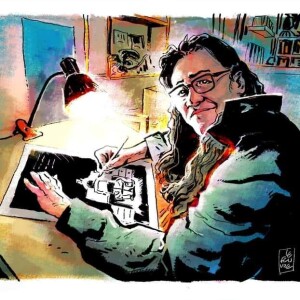
Jim was honored to be commissioned by the Newberry Library for their Indigenous Chicago program, creating artwork inspired by those thousands of historical documents.
P.S. Jim — it was also a treat meeting your surprise guest (your cat)! He did like a mountain lion, enit, my friend.
Purchase your copy of the “Paper Cuts” comic book here: https://bookshop.newberry.org/paper-cuts
And check out Jim’s website here: https://www.woundedbutdangerous.com/
Native ChocTalk Facebook page: https://www.facebook.com/nativechoctalkpodcast
All Podcast Episodes: https://nativechoctalk.com/podcasts/
Mar 23, 2025
Mar 23, 2025
30 min
"Don’t forget what was sacrificed. And keep fighting in the ways you can. You are still occupied. You are still here. You are born of real survivors. So go live.”
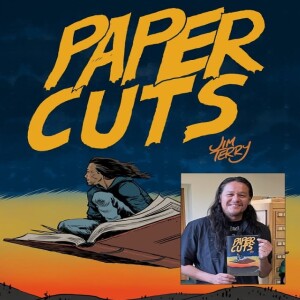
These are the powerful words from my guest, comic book artist Jim Terry (Ho-Chunk), in his book “Paper Cut”.
I really enjoyed this casual conversation with Jim, who lives not far from me in Chicago. He opened my eyes to the history and presence of the Ho-Chunk people — “people of the big voice.” You might also know them by the name once given to them: Winnebago.
And by the way — did you know “Chicago” (or chicagoua) most likely comes from the Algonquin word for onions… or maybe even garlic?
Jim and I also talked about his life as a freelance artist, the funny (and sometimes awkward) conversations between Native and non-Native people, and the deeper, more personal themes behind his book “Come Home, Indio”. In it, he opens up about feelings of not belonging and a lifelong journey toward making peace (or something like it) with the treatment of our Native American ancestors.
We also touched on the story of Edward E. Ayer — a lumber baron who, in 1911, donated 17,000 Native American manuscripts, photos, and artifacts to the Newberry Library. Today, that collection has grown to over 130,000 volumes. (Some of those items also found a home at Chicago’s Field Museum.)
Jim was honored to be commissioned by the Newberry Library for their Indigenous Chicago program, creating artwork inspired by those thousands of historical documents.
Purchase your copy of the “Paper Cuts” comic book here: https://bookshop.newberry.org/paper-cuts
And check out Jim’s website here: https://www.woundedbutdangerous.com/
Native ChocTalk Facebook page: https://www.facebook.com/nativechoctalkpodcast
All Podcast Episodes: https://nativechoctalk.com/podcasts/
Mar 13, 2025
Mar 13, 2025
25 min
Part 3
March is Women’s History Month, a time to honor the powerful stories of women throughout history. So today, we’re celebrating both history and healing!
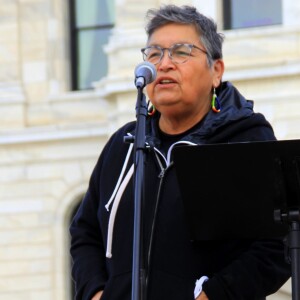
Join us as Sharon Day, a member of the Bois Forte Band of Ojibwe, shares her ancestral stories and her work leading healing water walks.
Wondering what a water walk is? Tune in to discover its significance, along with Sharon’s inspiring journey of sobriety, healing, and giving back as the Executive Director of the Indigenous People’s Task Force.
Nibi (Water) Walk: https://www.nibiwalk.org/
Indigenous People’s Task Force: https://indigenouspeoplestf.org/
Native ChocTalk Facebook page: https://www.facebook.com/nativechoctalkpodcast
All Podcast Episodes: https://nativechoctalk.com/podcasts/
Mar 13, 2025
Mar 13, 2025
28 min
Part 2
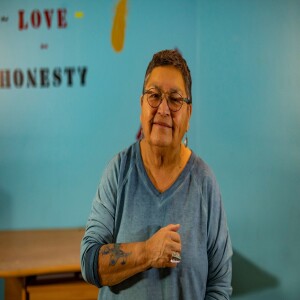
March is Women’s History Month, a time to honor the powerful stories of women throughout history. So today, we’re celebrating both history and healing!
Join us as Sharon Day, a member of the Bois Forte Band of Ojibwe, shares her ancestral stories and her work leading healing water walks.
Wondering what a water walk is? Tune in to discover its significance, along with Sharon’s inspiring journey of sobriety, healing, and giving back as the Executive Director of the Indigenous People’s Task Force.
Nibi (Water) Walk: https://www.nibiwalk.org/
Indigenous People’s Task Force: https://indigenouspeoplestf.org/
Native ChocTalk Facebook page: https://www.facebook.com/nativechoctalkpodcast
All Podcast Episodes: https://nativechoctalk.com/podcasts/
Mar 13, 2025
Mar 13, 2025
27 min
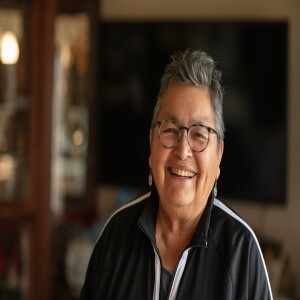
March is Women’s History Month, a time to honor the powerful stories of women throughout history. So today, we’re celebrating both history and healing!
Join us as Sharon Day, a member of the Bois Forte Band of Ojibwe, shares her ancestral stories and her work leading healing water walks.
Wondering what a water walk is? Tune in to discover its significance, along with Sharon’s inspiring journey of sobriety, healing, and giving back as the Executive Director of the Indigenous People’s Task Force.
Nibi (Water) Walk: https://www.nibiwalk.org/
Indigenous People’s Task Force: https://indigenouspeoplestf.org/
Native ChocTalk Facebook page: https://www.facebook.com/nativechoctalkpodcast
All Podcast Episodes: https://nativechoctalk.com/podcasts/
Feb 26, 2025
Feb 26, 2025
26 min
“To the Choctaw proud, ours is the sovereign nation offering opportunities for growth and prosperity.” This is the stated mission of my tribe, the Choctaw Nation of Oklahoma.
For the Choctaw, creating opportunities isn’t just about supporting our own people—it’s about uplifting the surrounding communities as well.
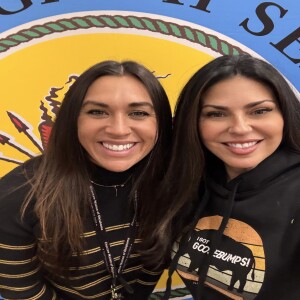
Sara Seals, Director of Marketing at Choctaw Nation, shares the tribe’s mission to capture and share the stories of our tribal members and the impactful work of the ongoing campaign, “Together We’re More.”
I was honored to be featured in this campaign, sharing my passion for preserving Native American stories. One of the key inspirations behind my work is the life and legacy of my great-grandmother, Ella.
In this episode, we dive deeper into the meaning behind “Together We’re More”—a message that extends beyond the Choctaw Nation. It reflects the power of collaboration between Choctaws and non-Natives alike. This vision comes to life every day through our tribe’s commitment to strengthening communities—investing in infrastructure, roads, education, clean water, and more.
No matter your background—Choctaw, Native, or neither—we can all embrace the idea that together, we’re stronger. Together, we’re more.
Yakoke, Sara!
See and hear the stories of my fellow Choctaws at https://togetherweremore.com/
Native ChocTalk Facebook page: https://www.facebook.com/nativechoctalkpodcast
All Podcast Episodes: https://nativechoctalk.com/podcasts/